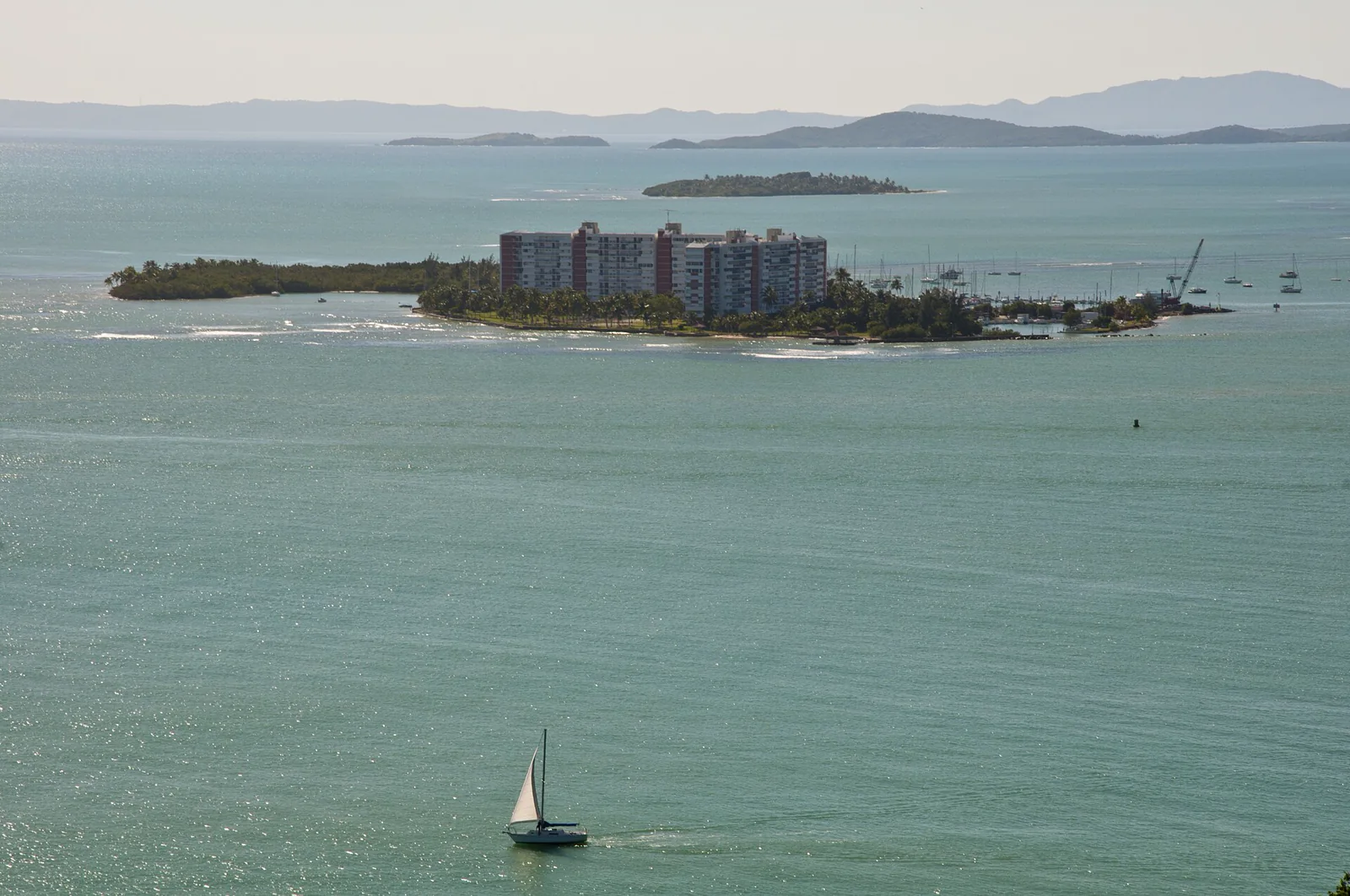
Compare the transit that the named product actually publishes
| Named product | Published vessel or format | Published travel time | Decision use and limit |
|---|---|---|---|
| East Island Icacos Snorkeling and Beach Tour | Sail | Approximately 50 minutes each way. | A useful nearer-destination reference; it does not establish today’s ride length or conditions. |
| East Island Culebra Snorkeling and Beach Tour | Power | Approximately one hour each way. | Use it to budget transit within that six-hour product, not as a speed or comfort comparison. |
| East Island Vieques Half-Day Snorkeling Tour | Power | Approximately one hour each way. | Use it only for the named half-day product; its page gives conflicting overall duration wording of four and 4.5 hours. |
| Salty Dog private and mini examples | Private Fajardo formats | Not published in the retained pages. | Ask for the expected route, crossing exposure, and day-of destination process instead of filling in a number. |
Sources: East Island Icacos, East Island Culebra, East Island Vieques Half-Day, Salty Dog mini catamaran, and Salty Dog private charter.
Choose by the transit you are willing to include in the day
If a shorter published crossing is important, compare an Icacos trip with products that list longer crossings. The published Icacos product gives the 50-minute example; it is not evidence that every Icacos departure is shorter or calmer than every alternative.
For a Culebra trip or a Vieques trip, the published Culebra and Vieques Half-Day examples each list about one hour each way. That can help you decide whether the destination and activity plan justify the added transit; it does not establish ride quality, sea state, or guaranteed time at the destination.
A private format can change the questions rather than erase them. The published private and mini-catamaran pages say the captain determines the day’s destination from current weather and water conditions, but neither publishes a crossing time. See sailing versus power catamarans for a format comparison, then ask the actual provider which vessel and route are contemplated for your departure.
Know what can change between the page and the marina
The published East Island Icacos and Culebra pages say marine activities are subject to water conditions and describe captain-led destination changes or cancellation decisions. The published Salty Dog private and mini pages say the captain determines the day’s destination from current weather and water conditions. A named destination is therefore an intended plan, not an unconditional route commitment.
Separate a route change from the contractual question of a cancellation, reschedule, or refund. Those terms belong on weather and cancellations; this page is for deciding whether the crossing and possible itinerary flexibility fit your day.
A useful current-conditions conversation
- Confirm the exact product, vessel type, marina, and scheduled departure time.
- Ask the provider what crossing time it currently expects for that product, while recognizing that an estimate can change.
- Ask whether the intended destination or activity sequence may be changed for conditions and when you would be told.
- Ask whether a later or earlier published departure has a different itinerary or crossing expectation; do not assume it does.
- Ask what current official information the provider wants guests to check or follow before arrival.
For public conditions context, check an official current resource near departure rather than relying on an older product page or this guide. Record the provider’s response with your departure details before you commit.
Turn a vague concern into a decision
Choose the product whose published transit and intended activity mix make sense even if the exact route needs to adapt. If the one-hour examples do not fit your available time, begin with an Icacos option or ask for a different product’s stated crossing. If the named destination is the priority, ask whether the provider’s current conditions process could result in a substitute plan and whether that would still work for your group.
For children, non-swimmers, or individual participation questions, use families and non-swimmers rather than treating a transit time as a suitability decision. Build the questions in the trip planner; it stays on your device until you choose what to do with it.
Questions, answered
What should a crossing estimate specify?
Ask for the exact product, vessel, marina, intended route, estimated transit, destination-change process, and when the provider will update you. Keep the answer with your departure details rather than treating a general example as your itinerary.
Does a power catamaran guarantee a smoother ride?
No. The retained pages identify vessel types for certain products, but do not support a comfort or sea-condition guarantee. Ask about the actual departure and current conditions instead.
How should I plan for a possible route change?
Decide whether an alternate destination or activity would still work for your group, then ask the selected provider when it makes that decision and how guests are told. Treat the written answer as specific to that product and date.
Sources checked
Build a trip request
Keep the product, planned transit, conditions, and itinerary questions together before contacting a provider. Nothing is sent, booked, or confirmed here.
Build a trip request